
Zero Equipment, Zero Excuses: 5 Home Workout Apps That Deliver Real Results
Gym memberships are expensive. Adjustable dumbbells are bulky. Resistance bands disappear into drawers and never come back out.
That is exactly why zero-equipment workout apps have exploded in popularity over the past few years. The best ones remove almost every excuse: no commute, no setup, no gear, and no complicated learning curve.
But after testing dozens of fitness apps, one problem became obvious: many “home workout” apps quietly assume users own kettlebells, benches, pull-up bars, or at least resistance bands. Others bury their best bodyweight programs behind aggressive subscriptions.
For this roundup, the testing focused specifically on apps that genuinely work with nothing more than floor space and a phone. The evaluation criteria included:
Quality of bodyweight workout programming
Beginner friendliness
Motivation and coaching quality
Whether workouts truly require zero equipment
Pricing transparency
Long-term usability without burnout
Here are the best apps that actually deliver equipment-free home workouts in 2026.
1. Nike Training Club (Android)
The Reality Check: Why It Still Dominates
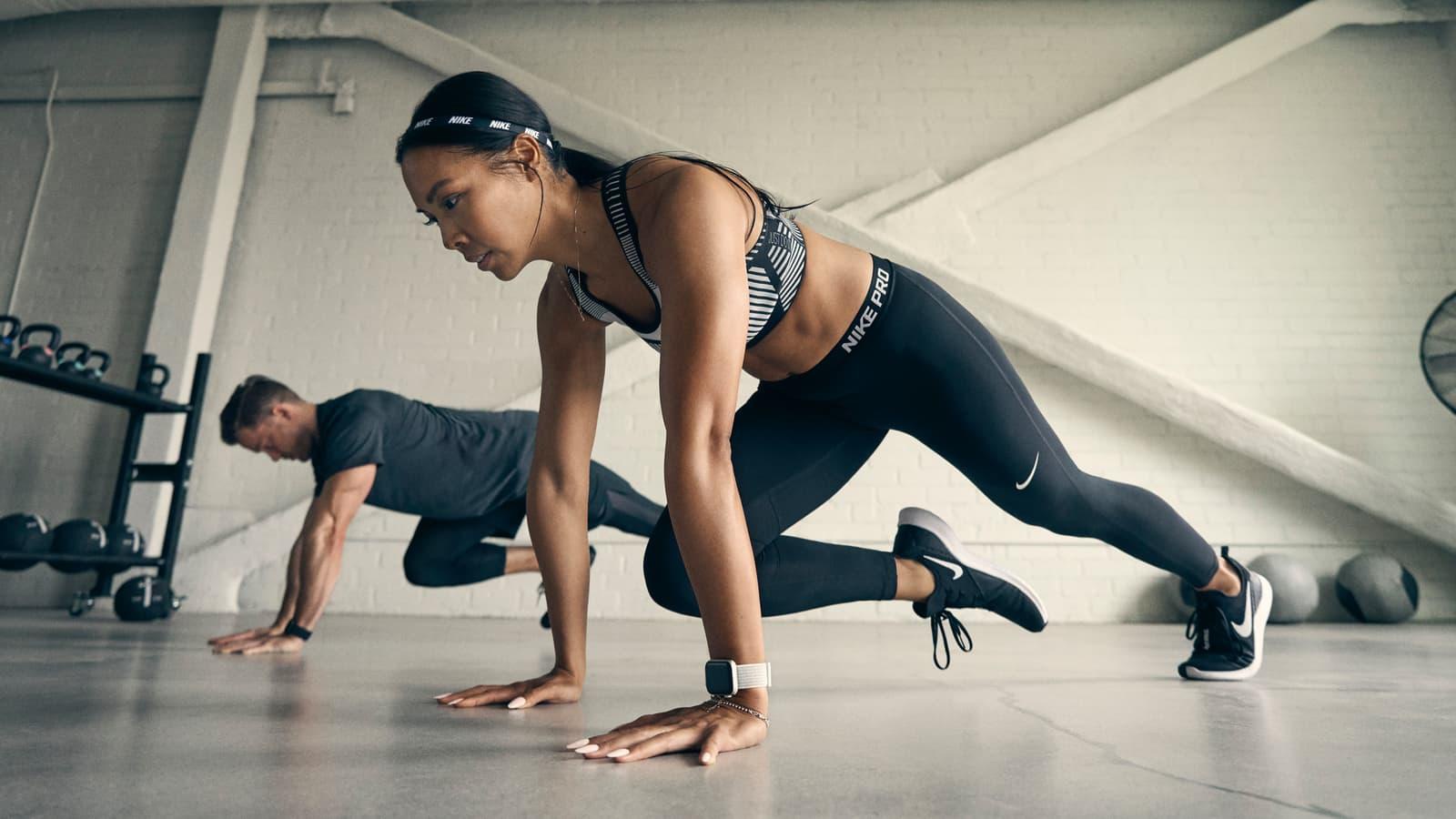
After extensive testing, Nike Training Club remains the easiest recommendation for most people who want serious home workouts without equipment.
The app includes hundreds of guided sessions covering:
HIIT
Bodyweight strength
Mobility
Yoga
Core training
Short “quick burn” routines
What stood out during testing was how polished the instruction feels compared to many competitors. The trainers explain form clearly without sounding robotic, and the workouts scale surprisingly well for beginners.
The filtering system also matters more than expected. Users can specifically sort for:
No equipment
Small spaces
Short workouts
Beginner level
That makes the app dramatically easier to stick with long term.
Pricing
Completely free
No subscription required
That alone makes it unusual in the current fitness-app market.
Pros
Truly excellent free experience
Huge library of bodyweight workouts
High production quality
Beginner-friendly
Works well in apartments and small spaces
No constant upselling
Cons
Less personalized than AI coaching apps
Some advanced athletes may eventually want more progression tracking
Program structure is lighter than hardcore training platforms
2. Freeletics (iOS & Android)
The Reality Check: Best for People Who Want to Be Pushed
Freeletics feels very different from Nike Training Club.
Instead of browsing workout videos casually, the app behaves more like an aggressive digital coach. Users answer fitness questions, set goals, and receive adaptive bodyweight workouts that evolve over time.
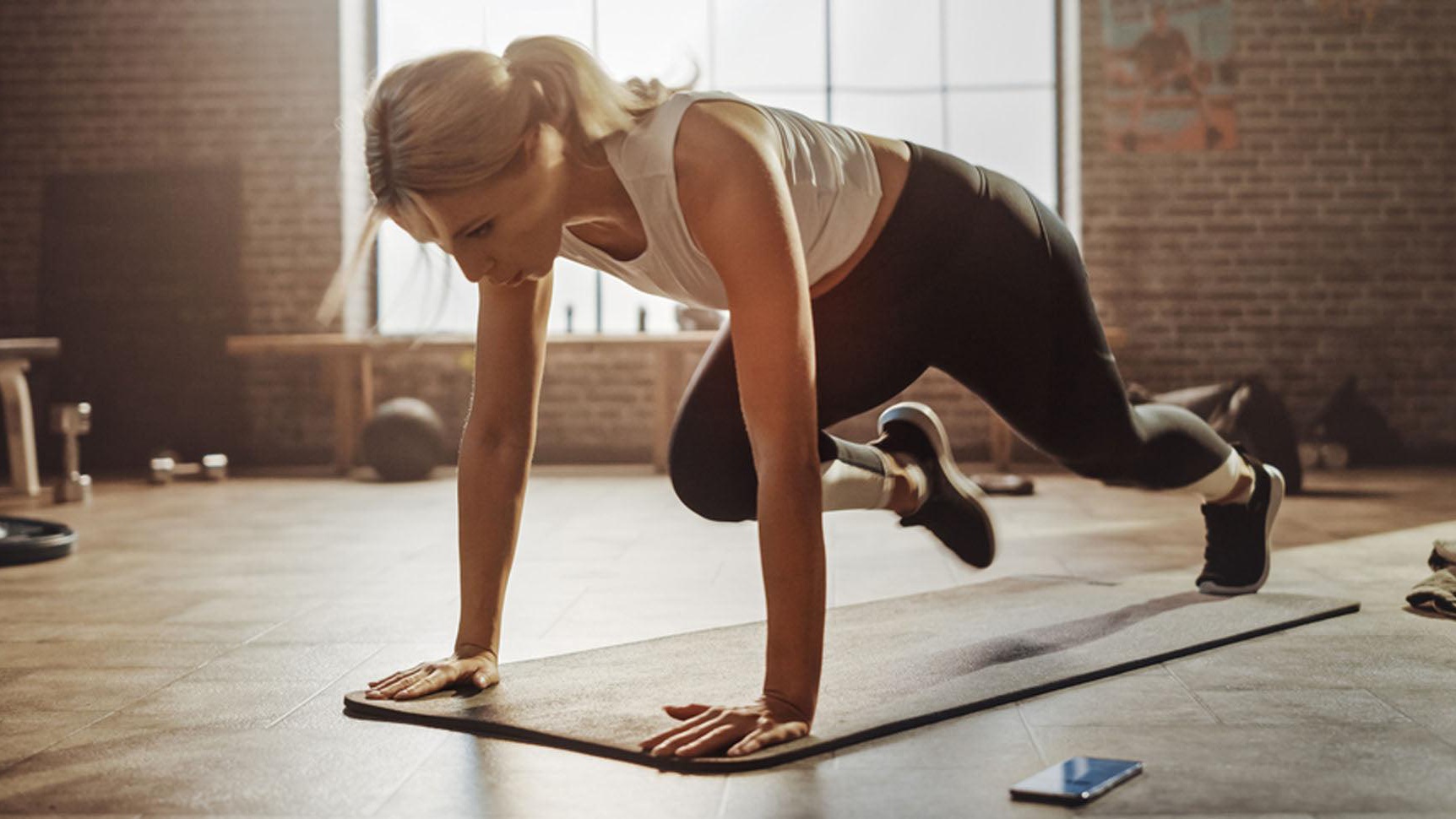
During testing, Freeletics consistently delivered some of the hardest zero-equipment sessions in this entire category.
Burpees. Jump squats. Mountain climbers. Push-up circuits. Explosive HIIT blocks.
This is not the app for someone who wants gentle beginner yoga after work.
But for users who get bored easily and want workouts that feel demanding, Freeletics is one of the strongest bodyweight systems available today.
Pricing
Free version available
Subscription required for full coaching features
Premium subscription model
Pros
Excellent bodyweight programming
Adaptive coaching system
Very effective HIIT routines
Strong progression system
Good for advanced users
Cons
Intensity can overwhelm beginners
Subscription is relatively expensive
Coaching style feels intense rather than relaxed
3. Seven (iOS & Android)
The Reality Check: Best for Busy People Who Normally Skip Workouts
Many fitness apps fail because they demand too much time.
Seven succeeds because it assumes users are busy, tired, distracted, and probably unmotivated.
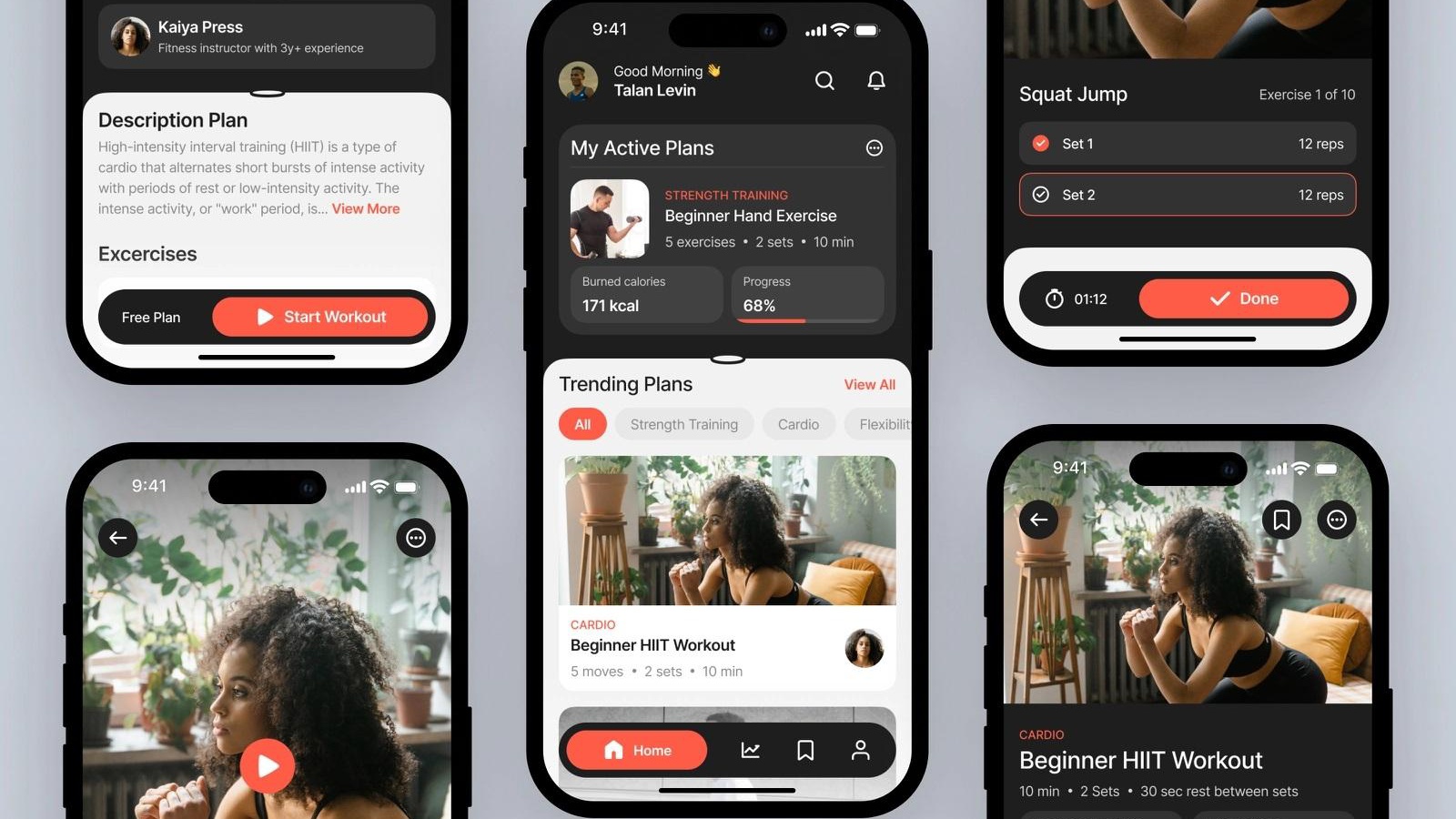
The app centers around short bodyweight circuits that usually last around seven minutes. That sounds gimmicky until actually testing it for several weeks.
The low psychological barrier genuinely works.
On days when a 45-minute workout feels impossible, Seven still feels manageable. That makes consistency dramatically easier.
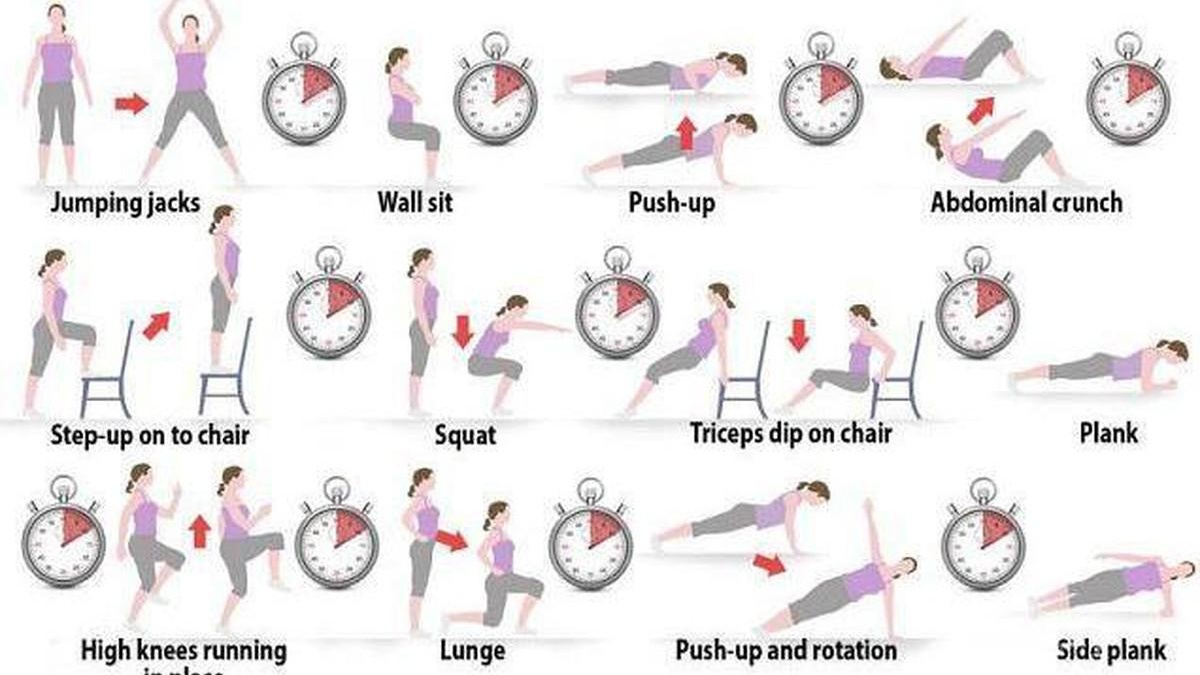
The workouts themselves are simple:
Squats
Wall sits
Push-ups
Crunches
Jumping jacks
Planks
No equipment required whatsoever.
This is not ideal for advanced athletic training, but it is excellent for building routine and momentum.
Pricing
Free version available
Subscription unlocks full programs and coaching
Pros
Extremely beginner-friendly
Fast workouts
Great habit-building design
Minimal setup friction
Excellent for small apartments
Cons
Limited depth for advanced users
Workouts can become repetitive
Subscription needed for full experience
4. FitOn (iOS & Android)
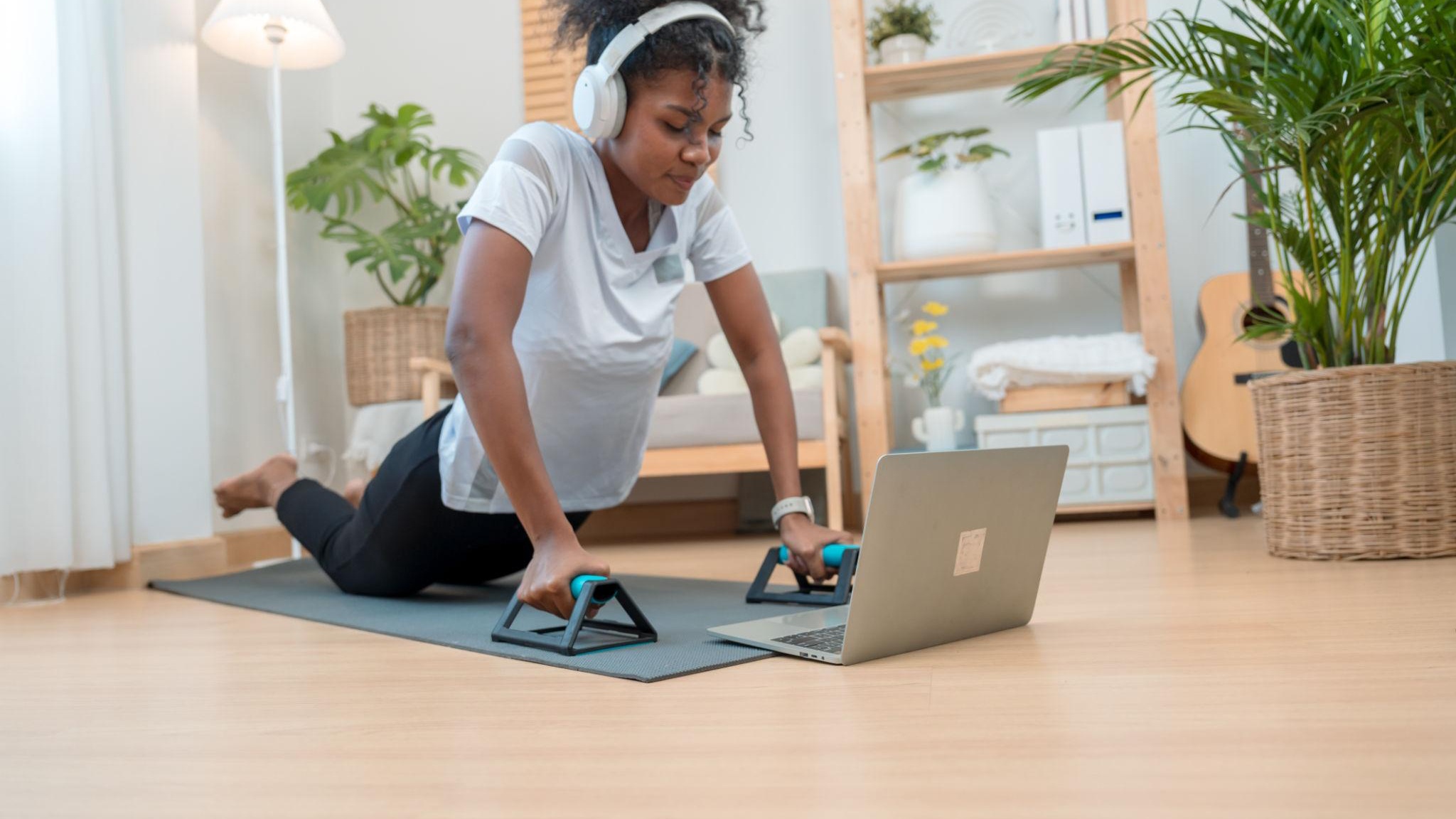
The Reality Check: Surprisingly Good for Motivation
FitOn leans heavily into the “class experience” approach.
Instead of AI coaching or hardcore progression systems, it focuses on instructor-led workouts that feel more energetic and social.
Testing showed this works particularly well for people who struggle with workout boredom.
The variety is huge:
Cardio
Pilates
Dance cardio
Barre
Bodyweight strength
Mobility sessions
Many classes require zero equipment, and the app labels them clearly.
Another major advantage is the celebrity-trainer style presentation. Some users find it motivating; others may find it slightly overproduced.
Still, for home users who want workouts that feel engaging rather than clinical, FitOn performs surprisingly well.
Pricing
Large free workout library
Optional Pro subscription
Pros
Excellent workout variety
Fun instructor energy
Strong free tier
Good for beginners
Plenty of no-equipment classes
Cons
Less structured progression
Some premium features locked behind subscription
Can feel “influencer-heavy” at times
5. Home Workout - No Equipment (iOS & Android)
The Reality Check: Surprisingly Effective Despite the Generic Name
This app has one of the most forgettable names in the entire fitness category — but the actual workout system is much better than expected.
Unlike many flashy fitness platforms, Home Workout keeps things simple:
Daily workout plans
Animated exercise demos
Timers
Progress tracking
Bodyweight-only routines
During testing, the app consistently felt practical and easy to follow.
The biggest advantage is simplicity. There is almost no learning curve.
For users who do not want “wellness ecosystems,” AI coaching, social features, or lifestyle branding, this straightforward approach can actually be refreshing. Reddit users have also repeatedly recommended it for accessible no-equipment routines.
Pricing
Free with ads
Premium subscription available
Pros
Very easy to use
Clear exercise demonstrations
Excellent for beginners
Structured daily plans
Lightweight app experience
Cons
Interface feels less premium
Ads in free version
Coaching lacks personality
Final Verdict: Which App Is Actually the Best?
For most people, Nike Training Club is still the best zero-equipment home workout app overall.
The reason is simple:
It delivers the best balance of:
workout quality,
usability,
beginner accessibility,
professional coaching,
and pricing.
And unlike many competitors, it does all of that completely free.
However, different users will still prefer different apps:
Freeletics is best for intense training and progression
Seven is best for extremely busy schedules
FitOn is best for motivation and variety
Home Workout - No Equipment is best for simplicity
The most important takeaway from testing was this:
The best workout app is rarely the most advanced one. It is the one people will actually keep opening three weeks later.