
5 Best Apps for Syncing With Over-the-Counter Continuous Glucose Monitors in 2026
Why OTC CGM Apps Matter More Than Ever
Over-the-counter continuous glucose monitors (CGMs) have exploded in popularity since FDA-cleared consumer devices like Dexcom Stelo and Abbott Lingo entered the US market. People are now using glucose tracking for energy management, fitness, weight loss, and metabolic health — not just diabetes care.
But after testing multiple OTC CGM ecosystems, one thing became obvious:
The sensor itself is only half the product.
The app determines whether users actually understand their glucose patterns or simply stare at charts without context.
Several apps looked impressive initially but became frustrating after a few days because of syncing delays, unstable Bluetooth connections, shallow analytics, or aggressive subscription pricing.
The best apps successfully translated glucose data into useful daily decisions.
The apps below are all currently active, compatible with real OTC CGM systems, and available on the US Apple App Store or Google Play Store.
1. Stelo by Dexcom (Android)
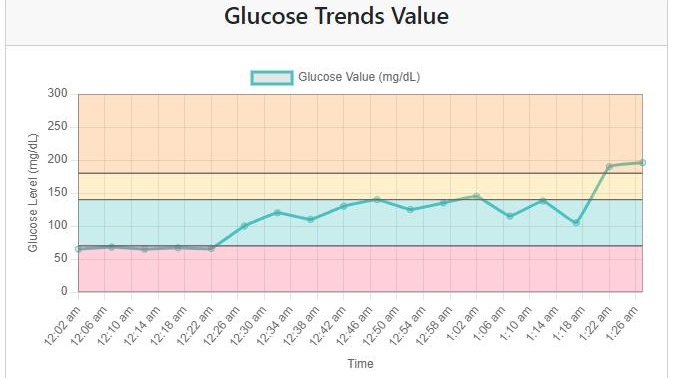
The Reality Check: Still the best overall OTC CGM experience
For most first-time OTC CGM users, Stelo remains the easiest and most polished entry point.
Dexcom intentionally designed Stelo for non-insulin users, which dramatically simplifies the experience compared with prescription-grade diabetes apps. Instead of overwhelming users with medical alerts and clinical dashboards, the app focuses on trends, meal responses, and daily glucose stability.
During testing, setup was smoother than almost every competing platform. Pairing the sensor typically took only a few minutes, and Bluetooth syncing remained reliable across both iPhone and Android devices.
The app also integrates with Apple Health and Google Fit, making it easier to compare glucose against sleep, workouts, and recovery data.
Unlike many wellness-focused competitors, Stelo avoids excessive gamification. That makes the app feel cleaner and more trustworthy.
Pricing Model:
Free app; sensors sold separately via subscription or bundles.
Pros
Best onboarding experience
Reliable syncing during testing
Beginner-friendly interface
Good Apple Health integration
Available on both iOS and Android
Cons
Limited deep analytics
Fewer advanced reporting tools
Some users report occasional sensor inconsistency on Reddit discussions
2. Signos (Android)
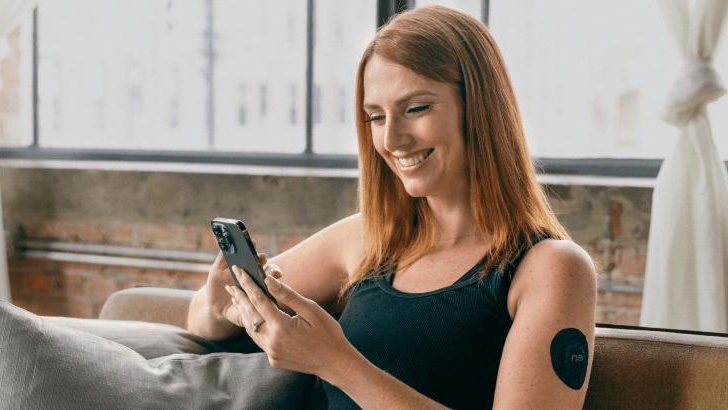
The Reality Check: The strongest coaching-focused CGM app
Signos takes a very different approach compared with Dexcom’s own ecosystem.
Instead of mainly showing glucose graphs, the app focuses heavily on behavioral coaching and weight management. The platform uses CGM data to recommend practical lifestyle adjustments tied to eating patterns, exercise timing, and cravings.
During testing, this coaching-first approach felt surprisingly useful for mainstream users who do not want to manually analyze glucose curves all day.
Recommendations were concrete rather than vague wellness advice:
walk after meals
reduce late-night eating
adjust carb timing
pair carbs with protein or fiber
The app is particularly strong for people trying to connect glucose stability with hunger management or fat loss.
However, advanced users may find the analytics less flexible than dedicated data-heavy platforms.
Pricing Model:
Subscription-based.
Pros
Excellent behavior coaching
Strong weight-loss focus
Easy for non-technical users
Helpful food-response insights
Cons
Expensive subscription
Less customizable analytics
Coaching-heavy interface will not appeal to everyone
3. January AI (iOS)
The Reality Check: The most interesting AI-driven glucose prediction platform
January AI takes a very different approach from most CGM apps.
Instead of only showing real-time glucose data, the platform attempts to predict glucose responses before meals happen. Users can simulate meals and estimate how foods may affect glucose stability.
During testing, this predictive approach felt genuinely useful for users experimenting with nutrition strategies.
The app also combines CGM data with broader metabolic modeling, making it feel more proactive than reactive.
However, January AI is still more niche than Dexcom or Abbott ecosystems. The experience is strongest for users who enjoy experimenting with nutrition data rather than simply monitoring glucose passively.
Pricing Model:
Free download with subscription features.
Pros
Unique predictive glucose modeling
Strong nutrition-focused features
Interesting AI meal forecasting
Good for biohacking-oriented users
Cons
Smaller ecosystem
Less beginner-friendly
Subscription required for full features
4. Dexcom Clarity (Android)
The Reality Check: The best free companion analytics app
Most OTC CGM users ignore Dexcom Clarity initially.
That is a mistake.
While the primary Stelo app handles daily monitoring, Clarity is where longer-term analysis becomes genuinely useful. The app provides historical reporting, glucose trend summaries, and time-in-range metrics that are much easier to interpret over weeks or months.
During testing, Clarity was particularly useful for identifying recurring patterns tied to sleep quality, late-night meals, and exercise recovery.
The interface feels more clinical than lifestyle-oriented apps like Lingo or Signos, but the reporting tools are substantially better.
For users already inside the Dexcom ecosystem, adding Clarity meaningfully improves the overall experience at no additional cost.
Pricing Model:
Free.
Pros
Completely free
Excellent long-term reporting
Helpful trend analysis
Easy data export
Cons
Clinical-looking interface
Not designed for coaching
Best only for Dexcom users
5. Withings App (with Abbott Lingo Integration)(iOS&Android)
The Reality Check: The most interesting ecosystem integration
One of the more surprising developments in 2026 is Abbott’s partnership with Withings.
Withings users can now sync Abbott Lingo glucose data directly into the Withings ecosystem alongside sleep, body composition, heart health, and activity tracking.
During testing, this integration made metabolic tracking feel much more holistic compared with standalone CGM apps.
Instead of viewing glucose in isolation, users could compare:
poor sleep vs glucose instability
workout recovery vs glucose response
weight trends vs meal patterns
For health-optimization users already invested in smart scales or wearable ecosystems, this becomes genuinely useful.
However, users seeking detailed glucose-specific analysis may still prefer Dexcom Clarity or dedicated CGM-first apps.
Pricing Model:
Free app; compatible hardware sold separately.
Pros
Excellent health ecosystem integration
Combines glucose with sleep and recovery data
Clean app experience
Useful for longevity-focused users
Cons
Not glucose-first software
Requires compatible ecosystem devices
Less detailed glucose analysis
Final Verdict: Which OTC CGM App Is Actually Best?
For most people entering the OTC CGM world in 2026, Stelo by Dexcom remains the strongest overall recommendation.
It offers the smoothest onboarding experience, the most stable syncing, and the least intimidating interface for beginners.
However, the best app depends heavily on the user’s goals:
Best overall OTC CGM app: Stelo by Dexcom
Best for coaching and weight loss: Signos
Best free analytics companion: Dexcom Clarity
Best beginner-friendly lifestyle app: Lingo by Abbott
Best for predictive nutrition tracking: January AI
Best ecosystem integration: Withings
The biggest lesson from testing was surprisingly simple:
The people who benefited most from OTC CGMs were not obsessing over every glucose spike. They were the users consistently using the apps to identify patterns, improve routines, and make sustainable long-term lifestyle changes.