
Ultimate Roundup: Top Secure Chat Apps to Replace Regular SMS
Why Regular SMS Just Isn’t Secure Anymore
Most people send text messages every single day, assuming those chats stay private. That’s a risky mindset. Traditional SMS is one of the least secure ways to communicate digitally. These messages lack end-to-end encryption, can get intercepted in transit, and mobile carriers store them for extended periods. Even upgraded RCS features add handy functionality, but they don’t deliver consistent privacy across every phone and network.
If you share sensitive work details, personal stories or confidential information, standard texts leave you exposed. Encrypted messaging apps fix this gap. They use end-to-end encryption, so only you and the person you’re talking to can read your messages. Not even the app’s developers or service providers can access your chat content.
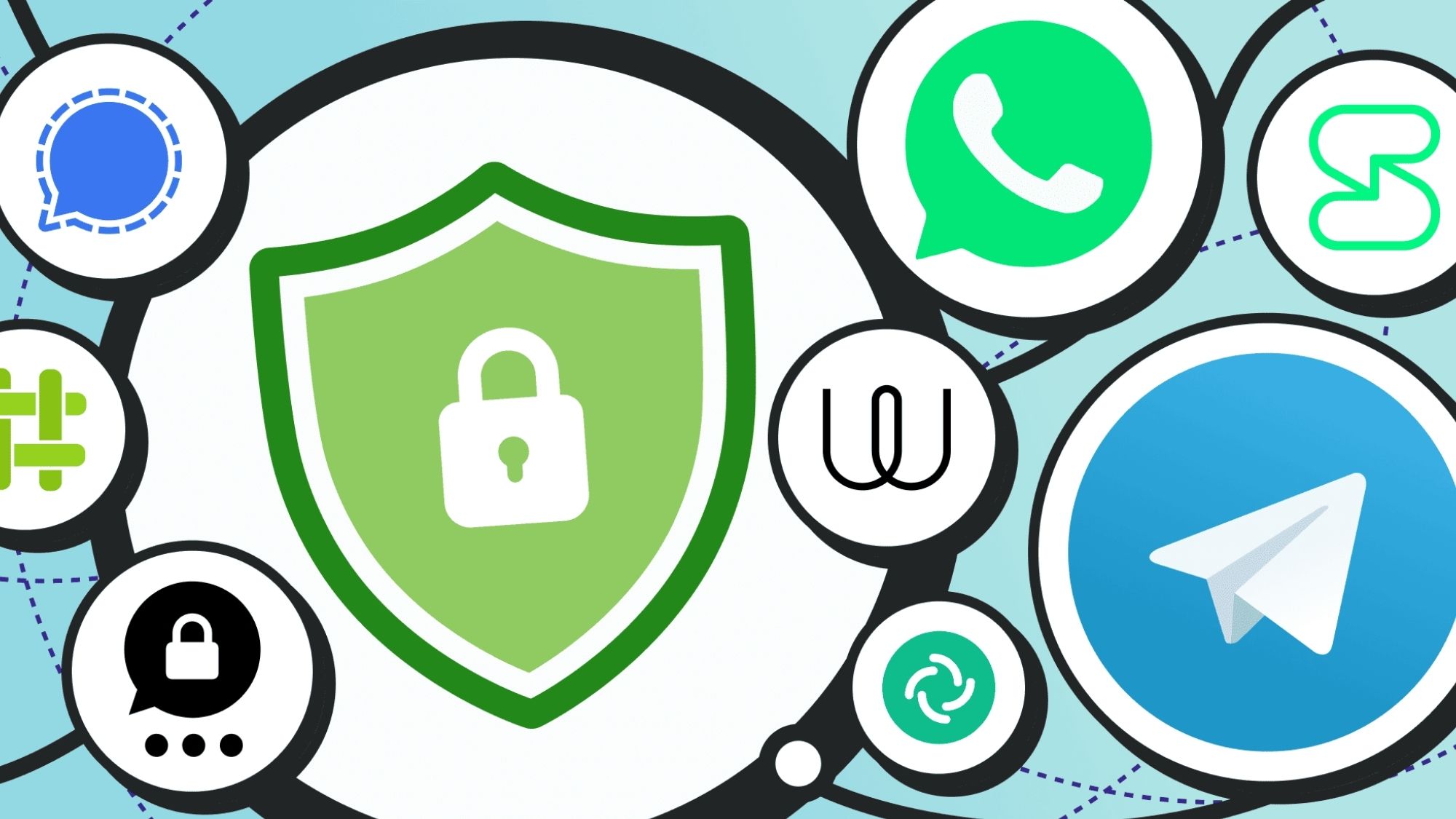
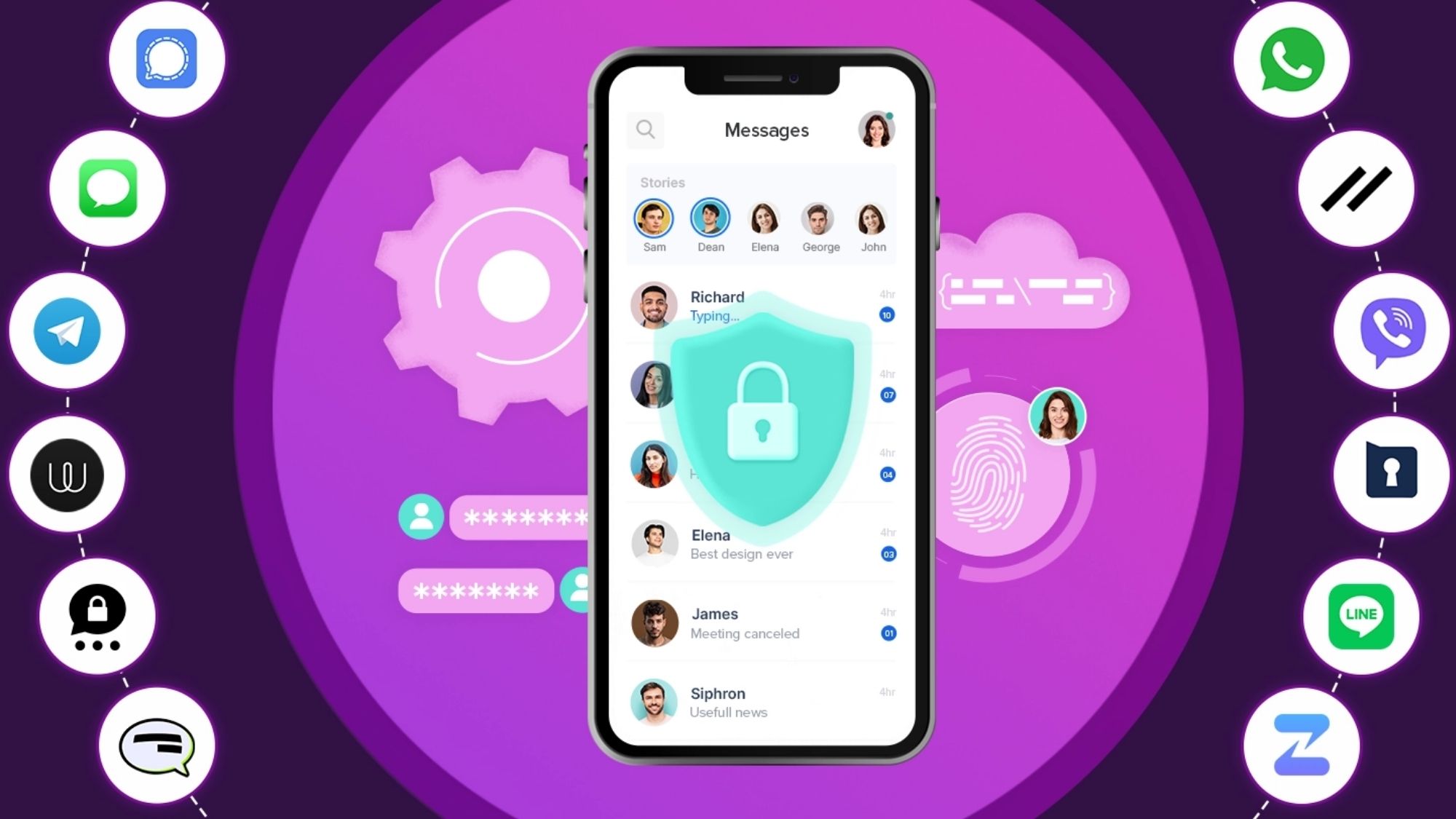
We rounded up reliable apps available on the App Store and Google Play, all built to deliver far stronger protection than basic SMS. We judged each one on encryption quality, real-world security track record, independent audits, metadata safeguards, cross-device support, everyday usability and pricing.
This list isn’t just about picking popular apps. It’s about finding tools you can truly trust with your private conversations.
Signal (iOS & Android)
Pricing: Completely free
How It Performs
Ask any security expert, journalist or privacy advocate for a secure messaging pick, and Signal is almost always the first name they mention.
Every message, voice call, video chat, group thread, photo and file transfer uses end-to-end encryption right out of the box. Its custom encryption protocol is so widely respected that other major messaging platforms have adopted parts of it for their own services.
What sets Signal further apart is how little user data it keeps. It collects far less metadata than most rivals, keeping your activity trails to a minimum. The app also includes useful extras: self-deleting messages, screen lock protections, encrypted backups and safety number checks to verify contacts.
Pros
No fees or hidden costs
End-to-end encryption active by default
Open-source code for full transparency
Spotless reputation in security circles
Strict limits on metadata collection
Works seamlessly on iOS and Android
Cons
You need a valid phone number to sign up
Smaller user base than mainstream chat apps
Friends and family may be hesitant to switch over
Best for
Anyone wanting a well-rounded tool that blends top-tier security, full transparency and simple everyday use.
Session (iOS & Android)
Pricing: Completely free
How It Performs
Session pushes privacy to the next level, going a step further than most standard encrypted messengers.
You won’t need a phone number to create an account here. Instead, you get a unique digital ID to use for all chats. Messages travel across a decentralized network, which drastically cuts down on metadata exposure. This setup makes it nearly impossible to link your conversations back to your personal phone line.
You can send texts, voice notes, group messages and files, plus set messages to delete automatically. The main tradeoff? Its decentralized structure sometimes makes message delivery a little slower than more conventional apps.
Pros
No phone number required for sign-up
Full end-to-end encryption for all chats
Minimal metadata captured
Open-source software
100% free to use
Cons
Small user community
Occasional delays when sending messages
Fewer extra features than mainstream platforms
Best for
People who want full anonymity alongside rock-solid message encryption.
Threema (iOS & Android)
Pricing: One-time purchase
How It Performs
Threema was built from the ground up with privacy as its core priority.
Much like Session, it never asks for your phone number or email address. Every user gets a random unique ID, so you can chat without tying your identity to personal contact details. It secures one-on-one chats, calls, group conversations, file shares and even built-in polling tools with end-to-end encryption.
This platform has long stuck to strict data limits, and its business model stands out too. You pay once to unlock full access, so the team never needs to profit off user data or ads.
Pros
No phone number required
Encryption enabled for all activity by default
Privacy-focused business model
Single one-time payment, no recurring fees
Mature, well-established platform
Cons
Upfront cost to download
Smaller network than Signal or mainstream apps
Getting contacts to download and use it can be tricky
Best for
Privacy-focused users happy to pay for a dedicated, ad-free encrypted messaging service.
Wire (Android)
Availability: Android
Pricing: Free for personal use; paid plans for business teams
How It Performs
Wire doesn’t always get the spotlight among casual users, but it’s a powerful choice for secure communication.
All messages, voice calls, video chats, group threads and shared files stay protected with end-to-end encryption. It’s widely favored by teams and organizations that need reliable, private collaboration tools, so it packs more teamwork-focused features than many competing messengers.
The interface feels modern and polished, which makes it easy for less tech-savvy people to learn and use. It’s more than just a basic texting app — it’s a full secure communication hub.
Pros
Full end-to-end encryption across all functions
Free for personal daily use
Robust collaboration tools for groups
Works across multiple devices
Enterprise-grade security standards
Cons
Less well-known than Signal for everyday users
Many advanced tools are built for business clients
Smaller community of regular personal users
Best for
People who want encrypted messaging paired with practical team and collaboration features.
WhatsApp (iOS & Android)
Pricing: Completely free
How It Performs
You might not expect WhatsApp on a list focused on serious privacy, but its encryption deserves recognition.
The app uses the trusted Signal Protocol to lock all messages, calls, video chats and shared media. Every piece of content stays encrypted in transit, so outside parties can’t intercept your chats.
Still, encryption is only half the story. While your actual messages stay private, parent company Meta collects far more metadata than services like Signal. That’s a key detail for anyone who takes privacy seriously.
WhatsApp’s biggest advantage is simple: nearly everyone already uses it. You won’t need to convince your loved ones to download a new app just to stay in touch.
Pros
End-to-end encryption active by default
Massive global user base
Quick and easy to set up
No cost to use
Dependable voice and video calls
Cons
Concerns around metadata collection
Owned by Meta
Hardcore privacy users typically opt for Signal instead
Best for
Users who want encrypted chats without asking friends and family to switch to a new platform.
Final Verdict
If you’re hunting for the most reliable upgrade from standard SMS, Signal is the clear top pick overall.
It combines default end-to-end encryption, open-source code, a proven security track record, limited metadata collection and a straightforward design. It sets the standard for what a secure everyday messenger should be.
Best All-Rounder: Signal
Top Pick for Anonymous Chats: Session
Best Paid Privacy App: Threema
Best Secure Collaboration Tool: Wire
Top Mainstream Encrypted Option: WhatsApp
What Makes an App Truly More Secure Than SMS
Encryption is vital, but it’s not the only factor that keeps your chats private. A trustworthy messaging service should check all these boxes: - Full end-to-end encryption for all messages and calls - Strong protection against metadata tracking - Self-deleting message functionality - Regular independent security audits - Open and honest development practices
Signal balances all these elements better than most for average users. If anonymity matters just as much as encryption, Session and Threema go a step further by cutting ties to your phone number entirely.
Here’s the bottom line: if a conversation matters, don’t rely on SMS. Switching to an encrypted messaging app is one of the simplest, most effective privacy moves you can make in 2026. The extra security takes almost no extra effort, and the peace of mind is well worth it.