
Skip the Counter, Grab the Keys: 5 Apps for Instant Local Car Rental
Why Travelers Are Finally Skipping Rental Counters
Traditional car rental counters have become one of the most frustrating parts of modern travel. Long airport lines, paperwork, surprise fees, and shuttle buses are exactly why app-based car sharing exploded across the US over the past few years.
The best modern rental apps now let users reserve, unlock, and return vehicles entirely from their phones. Some connect renters directly with local car owners, while others operate fully digital fleets spread throughout cities.
After testing the major platforms across airports, downtown areas, and suburban neighborhoods, several apps clearly stood out — but not all for the same reasons.
The testing focused on:
How well the app actually avoids rental counters
Vehicle availability in US cities
Ease of pickup and return
Pricing transparency
Real-world convenience during travel
Every app below is currently available on Google Play and actively operating in the US.
1.Turo (iOS & Android)
The Reality Check: What Actually Works
Turo remains the strongest overall alternative to traditional rental agencies. Instead of renting generic fleet vehicles, users rent directly from local car owners.
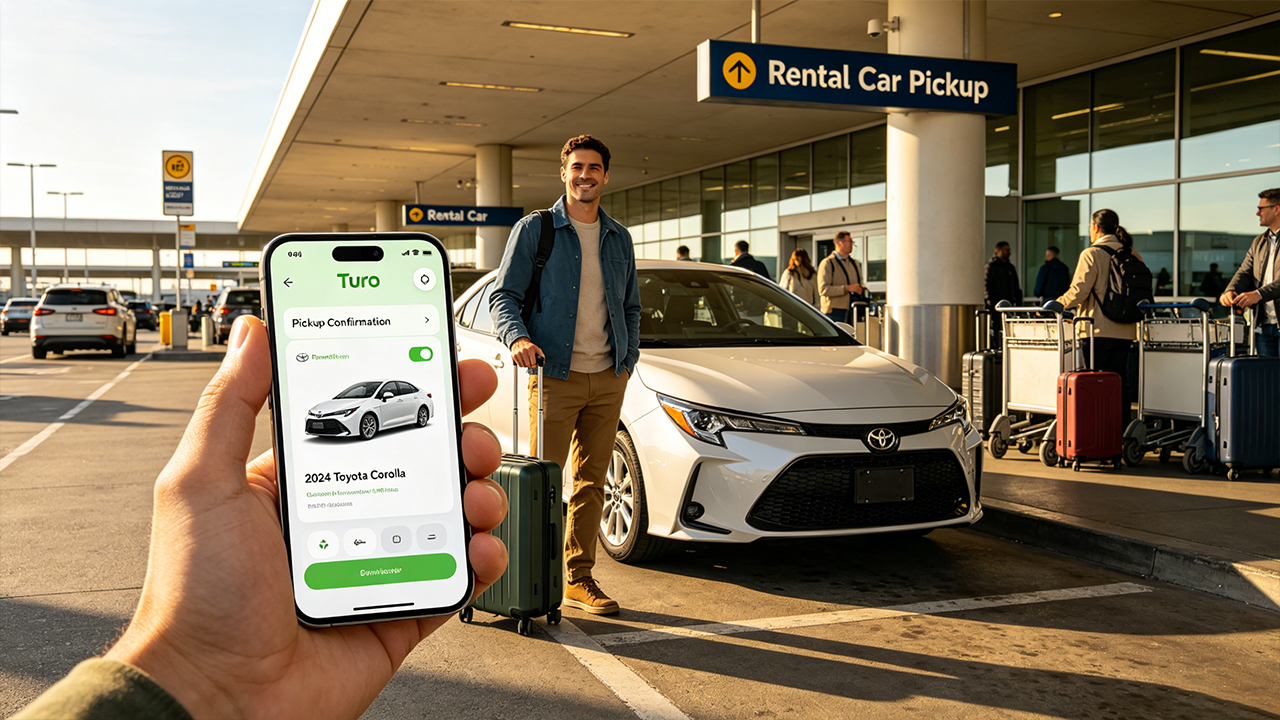
During testing, Turo consistently delivered the smoothest airport and road-trip experience. Many hosts offered contactless pickup through remote unlock systems or lockboxes, completely eliminating the need for counters.
The biggest advantage is vehicle variety. Travelers can reserve exact models instead of vague “or similar” categories.
The app also handles filters exceptionally well, especially for EVs, unlimited mileage, and airport delivery.
Pricing model: Free app; pay per rental.
Pros
Huge nationwide inventory
Excellent airport delivery options
Massive selection of vehicle types
Smooth app experience
Often cheaper than major agencies
Cons
Extra fees can increase final pricing
Vehicle quality depends on hosts
Some hosts enforce strict mileage caps
Customer support can be inconsistent
Best For
Road trips, airport rentals, and travelers wanting maximum flexibility.
2.Getaround (iOS & Android)
The Reality Check: What Actually Works
Getaround specializes in instant app-based access. In supported cities, renters can locate nearby vehicles, reserve them, and unlock them directly from their phones without meeting the owner.
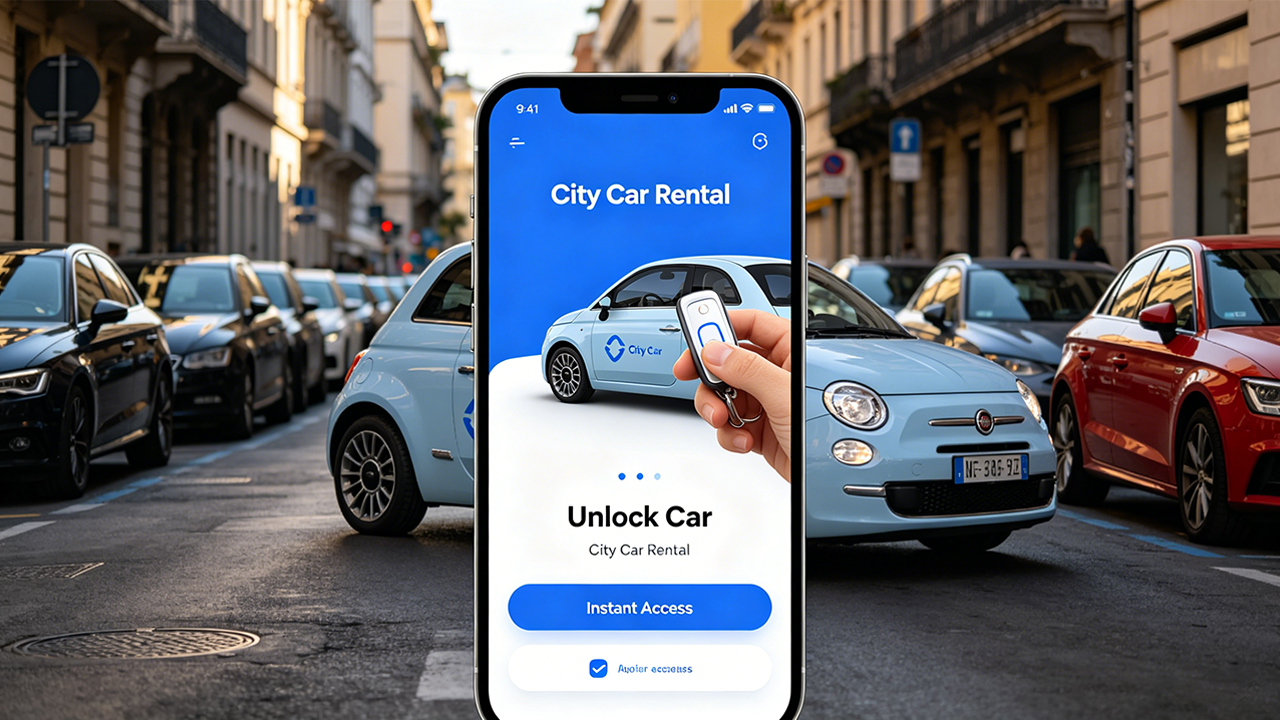
When tested for quick local errands, the process felt faster than traditional rentals and sometimes even quicker than waiting for rideshare pickups.
The downside is coverage inconsistency. Inventory varies heavily depending on the neighborhood and city.
Vehicle cleanliness also proved less predictable than Turo during testing.
Pricing model: Free app; pay per rental.
Pros
Extremely fast booking
True contactless unlocking
Excellent for short trips
Strong hourly rental setup
Cons
Weak suburban availability
Vehicle quality varies
App reliability can be inconsistent
Smaller premium vehicle inventory
Best For
Urban drivers needing fast short-term rentals.
3.Free2move (iOS & Android)
The Reality Check: What Actually Works
Free2move focuses heavily on digital city car-sharing. The app allows users to find nearby vehicles parked around supported areas and unlock them directly from their phones.
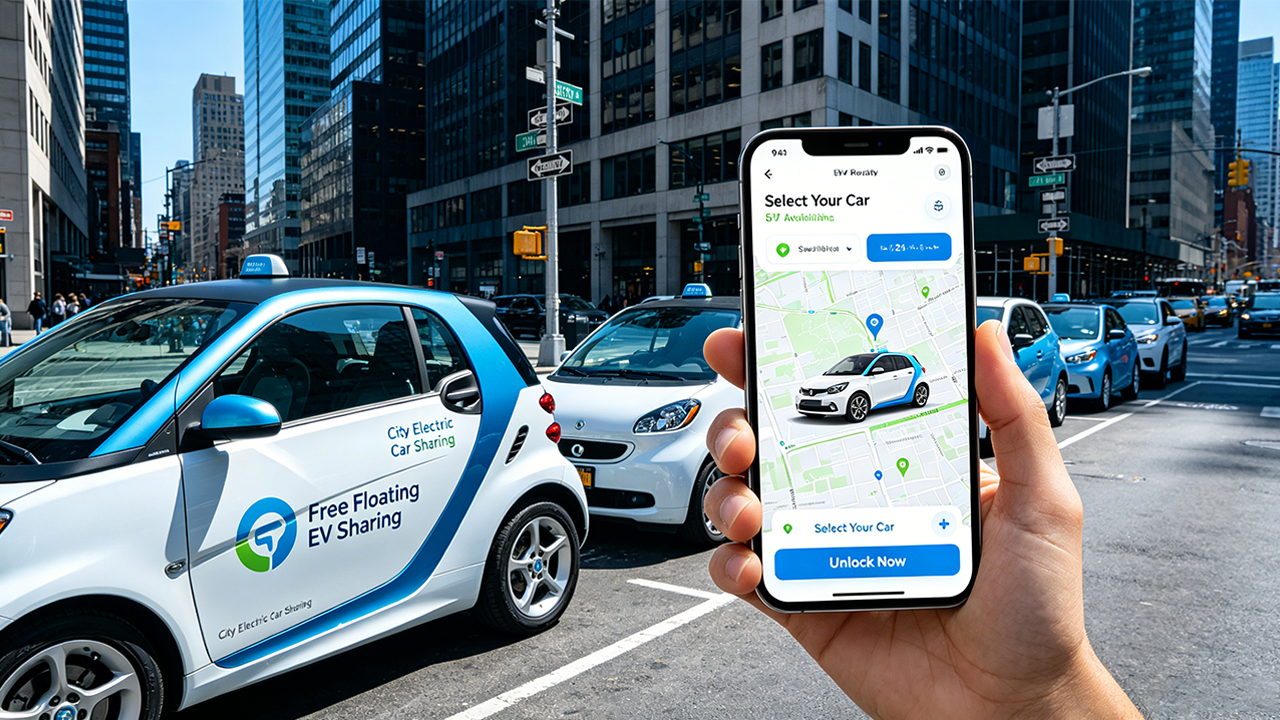
In testing, the experience felt closer to unlocking a scooter-sharing vehicle than renting a traditional car.
One major strength is EV availability. In several cities, electric vehicles made up a large portion of the available fleet.
However, Free2move’s usefulness depends entirely on geography. Outside supported metro areas, the app quickly becomes irrelevant.
Pricing model: Free app; pay per use.
Pros
Fully digital experience
Strong EV availability
Fast urban access
No counter interaction
Cons
Limited US coverage
Less practical for long trips
Smaller vehicle variety
Availability fluctuates by neighborhood
Best For
Short urban driving inside supported cities.
4.Uber Rent (iOS & Android)
The Reality Check: What Actually Works
Uber Rent quietly became one of the more convenient rental booking options for travelers already using Uber daily.
Instead of downloading a separate rental app, users can reserve vehicles directly inside the Uber app interface.
The biggest advantage during testing was simplicity. Travelers already familiar with Uber’s ecosystem can handle rides, airport pickups, and rentals in one place.
That said, Uber Rent still relies partly on traditional rental partners, so the “counter-free” experience varies depending on the provider and city.
Pricing model: Free app; pay per rental.
Pros
Familiar interface
Convenient for airport travel
Easy booking process
Useful integration with Uber rides
Cons
Counter-free experience is inconsistent
Still tied to traditional rental providers
Limited specialty vehicle options
Less flexible than peer-to-peer apps
Best For
Travelers wanting a simplified rental process inside an app they already use.
5.HyreCar (iOS & Android)
The Reality Check: What Actually Works
HyreCar operates differently from most apps on this list. It primarily targets gig workers needing temporary vehicles for Uber, Lyft, DoorDash, and other delivery platforms.
Still, during testing, it proved surprisingly effective for short-term local rentals without visiting a rental office.
The app allows users to browse locally available vehicles and coordinate directly with owners. Many rentals support same-day access.
The downside is that the experience feels less polished than Turo or Getaround. Vehicle listings can vary dramatically in quality, and the platform focuses more on practicality than convenience or premium travel.
Pricing model: Free app; pay per rental.
Pros
Strong option for gig workers
Flexible local rentals
Same-day availability in some cities
Easier approval than traditional rentals
Cons
Less polished app experience
Vehicle quality varies heavily
Smaller inventory
Not ideal for vacation travel
Best For
Gig workers and drivers needing temporary access to local vehicles.
Final Verdict: Which App Wins?
For most travelers, Turo remains the best overall app for renting cars locally without a rental counter.
Its nationwide availability, huge vehicle selection, airport delivery system, and strong contactless pickup options make it the closest true replacement for traditional car rental agencies.
However, the best app depends heavily on the situation:
Turo is best for travel and road trips
Getaround works best for quick city rentals
Free2move excels for urban car-sharing
Uber Rent offers the easiest mainstream experience
HyreCar is ideal for gig economy drivers
The biggest takeaway after testing all five apps is that the rental counter itself is rapidly becoming optional. In many US cities, unlocking a car with a smartphone is now faster and dramatically less stressful than dealing with traditional rental desks.